OpenAIImage
GPT Image 2
Precise text, UI, and structured image generation from OpenAI.
image/gpt-image-2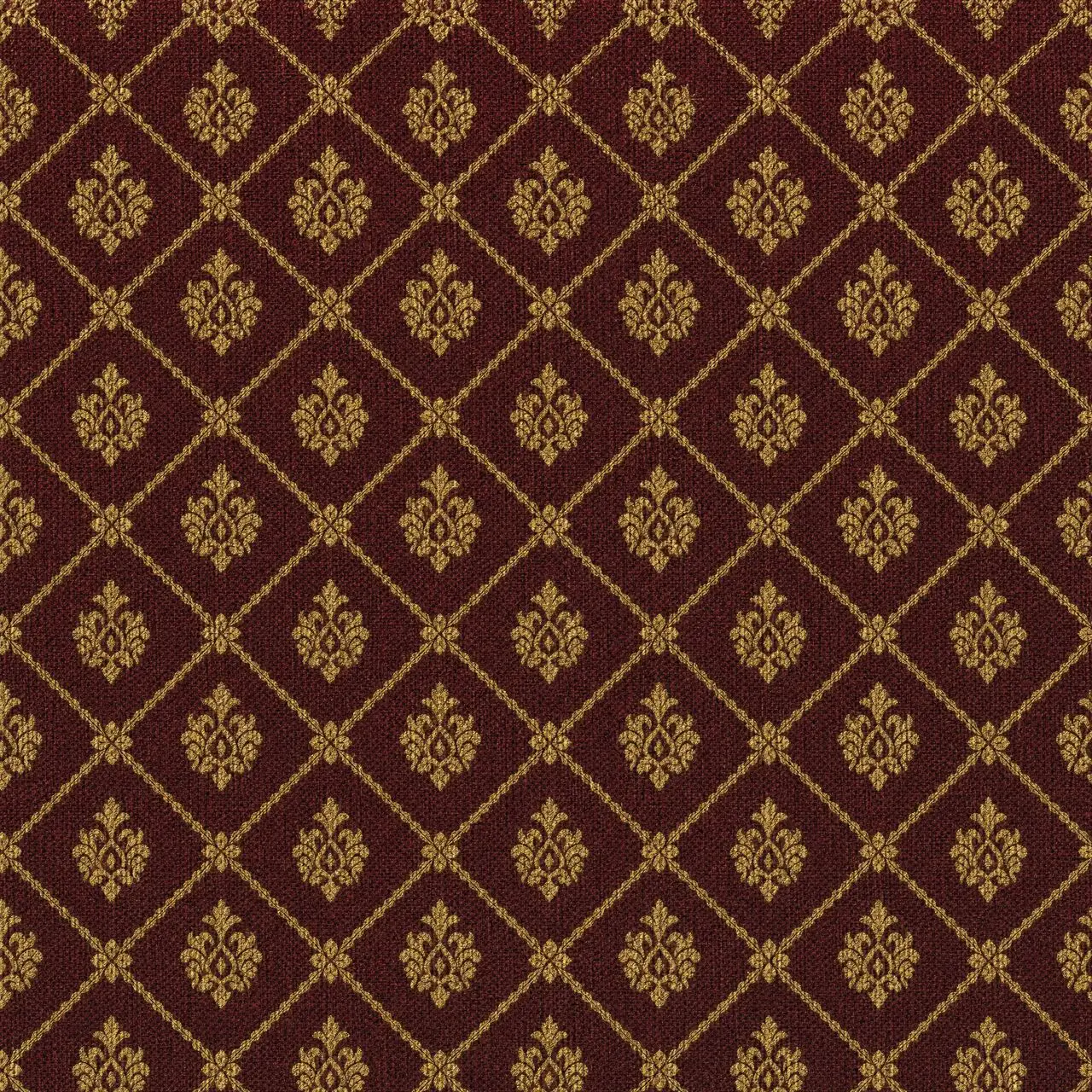
Woven fantasy fabric: a deep burgundy wool cloth with a repeating gold-thread diamond brocade pattern, visible weave and fine fibres, slightly soft and worn. The brocade pattern repeats exactly across the tile edges. Seamless tileable texture for a game material, top-down orthographic view, perfectly flat even lighting with no directional shadows, no highlights and no vignette, uniform detail density from edge to edge so the tile repeats without visible seams, albedo map look, physically plausible scale, crisp detail. Square tile. No text, no letters, no numbers, no labels, no logos, no watermark, no UI.
- Price
- 21.1 credits / image
- Makes
- Text to image, Image editing
Best for
GPT Image 2 is OpenAI's image model. Reach for it when an image needs legible text, an interface layout, or careful adherence to detailed instructions. It also supports editing.
- HUD, menu, and inventory mockups before building the real UI.
- Cards, icons, and badges with exact text.
- Editing an existing image with detailed, multi-part instructions.
Put it together
Where GPT Image 2 fits in a game, with the models it works well with. Your agent runs every step.
A playable character
From one concept to a rigged, animated 3D character in your scene.
A cutscene
A key frame of your own art, brought to life, with its sound and score.
A talking character
A portrait that speaks its lines in its own voice.
Price
| Mode | Model | Price |
|---|---|---|
| Text to image, Image editing | GPT Image 2 | 21.1 credits / image |
Paid from your Summer credits.
Use it from code or your agent
Sign in once with summer login. Your agent or your code then runs it with your paid credits.
npx -y summer-engine@latest login
npx -y summer-engine@latest api run image/gpt-image-2 \
  --input '{"prompt":"a cozy pixel-art tavern at night","aspectRatio":"16:9"}' \
--download .image/gpt-image-2: $0.211 per image. Paid from your Summer credits.
Inputs
What input takes for image/gpt-image-2. Send only what you need; Summer fills in tested defaults.
promptstringRequired · up to 4000 charactersWhat to draw, or how to change the reference image.
styleenum- realistic
- cartoon
- anime
- none
aspectRatioenumDefault 1:1.
- 1:1
- 16:9
- 9:16
- 4:3
- 3:4
- 3:2
- 2:3
- 5:4
- 4:5
- 21:9
widthinteger64 to 4096Smallest width wanted, in pixels; give height too. Store key art: 1920 x 1080 at 16:9.
heightinteger64 to 4096Smallest height wanted, in pixels; give width too.
numImagesintegerDefault 1 · 1 to 4referenceImageUrlstringup to 2048 charactersA public image URL to edit instead of drawing from nothing.
removeBackgroundbooleanAlso cut out the background (transparent PNG); costs a removal per image.
seedintegerat least 0Same seed and prompt, similar image (Nano Banana models).
titlestringup to 200 characters
Model docs · Summer API docs · Set up the Summer MCP server · Try it in the browser
Questions
- What is GPT Image 2 good for in game development?
- GPT Image 2 is OpenAI's image model. Reach for it when an image needs legible text, an interface layout, or careful adherence to detailed instructions. It also supports editing. Typical game uses: HUD, menu, and inventory mockups before building the real UI; cards, icons, and badges with exact text; editing an existing image with detailed, multi-part instructions.
- How much does GPT Image 2 cost in Summer?
- GPT Image 2 costs 21.1 credits / image in Summer Studio. It is charged from your Summer credits.
- Can GPT Image 2 edit an existing image?
- GPT Image 2 supports text to image and image editing in Summer. It can also edit an existing image using up to 16 reference images.
- Can I use GPT Image 2 from Claude Code, Cursor or Codex?
- Yes. Connect the Summer MCP server to Claude Code, Cursor, Codex or another MCP client, then ask your agent to generate with summer_generate_image with model: "gpt-image-2". Setup instructions are at summerengine.com/mcp.
- Where do GPT Image 2 results go?
- Every generation is saved to your Summer asset library. From there you can download it or bring it into a Summer Engine project.
Related models
 New
OpenAI · Image
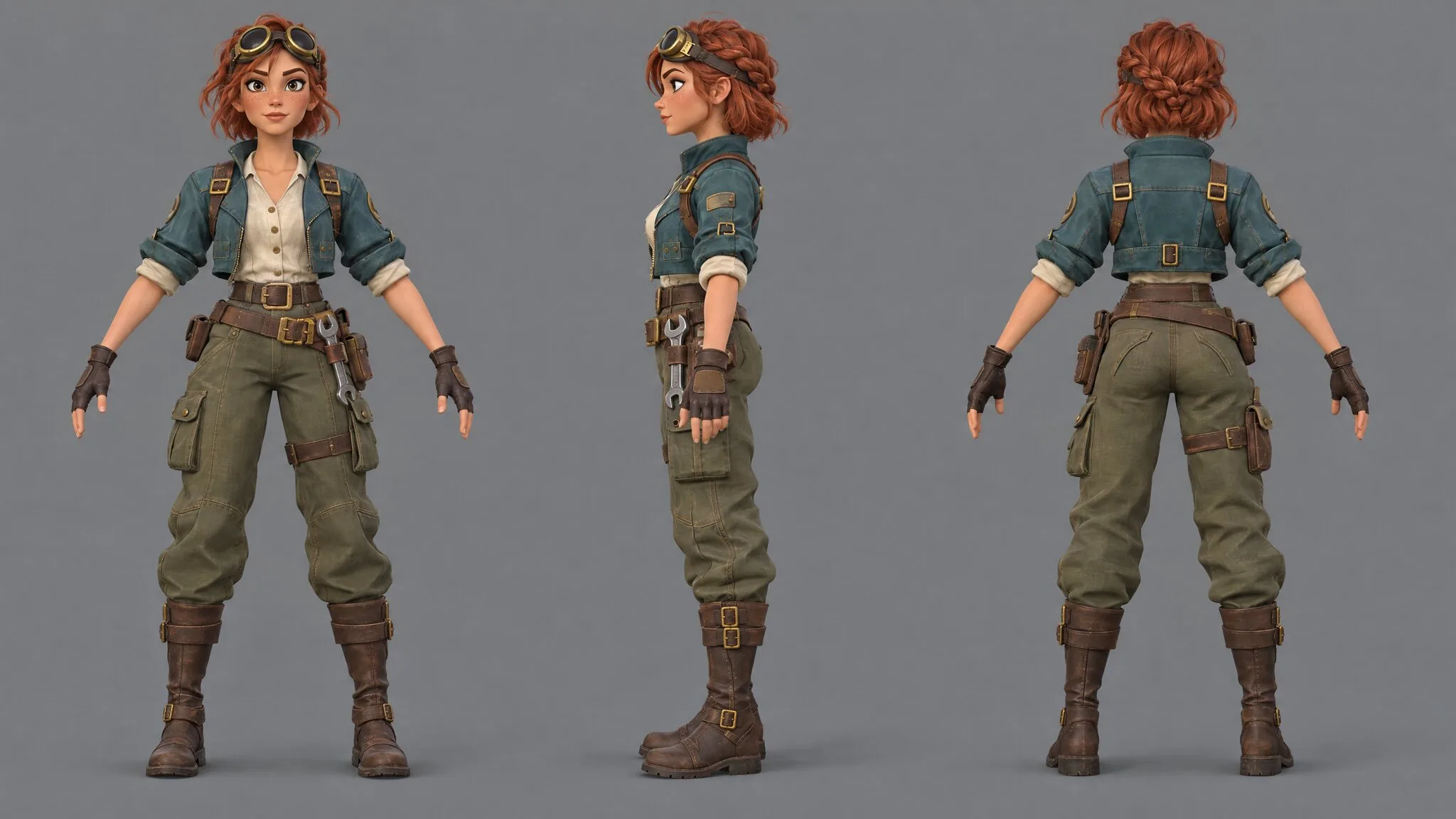
GPT Image 2.5
OpenAI's top-ranked image model, with real light, exact text and faithful edits.
5.3 credits / imageStudio and agents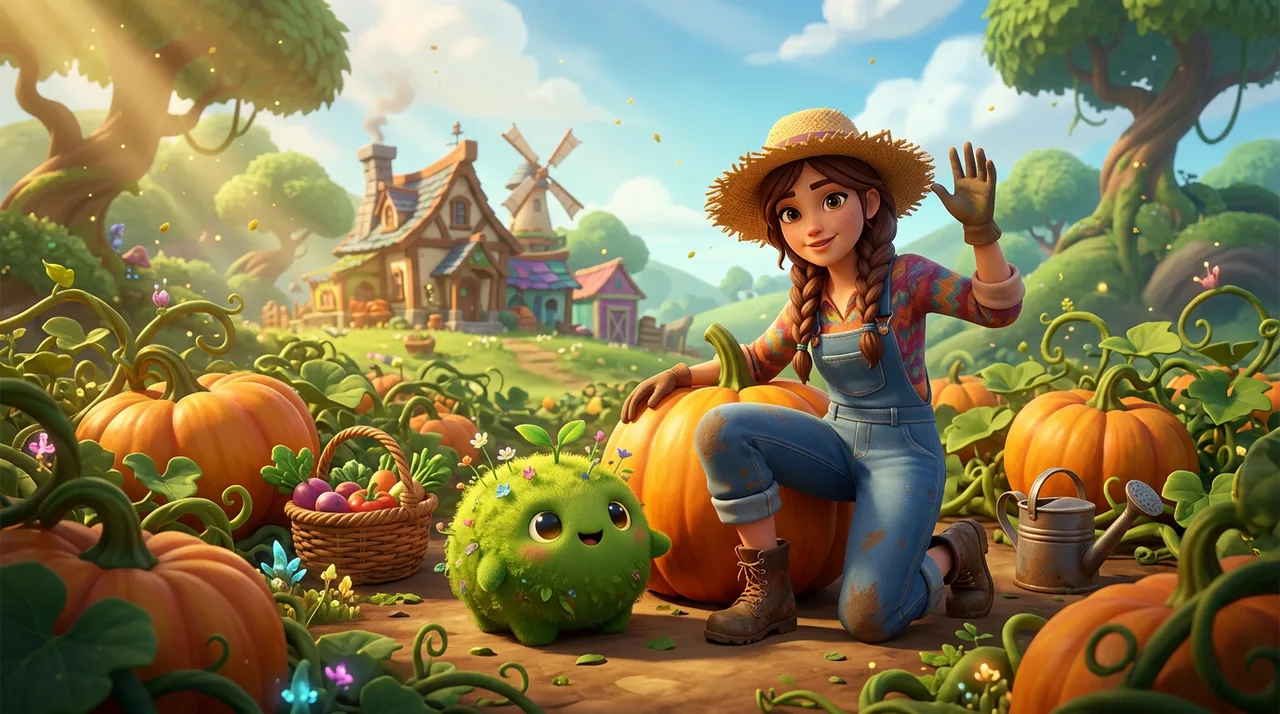 New
Google · Image
Nano Banana 2.1
Google's newest image model, sharp and faithful to the prompt.
~4 credits / imageStudio and agents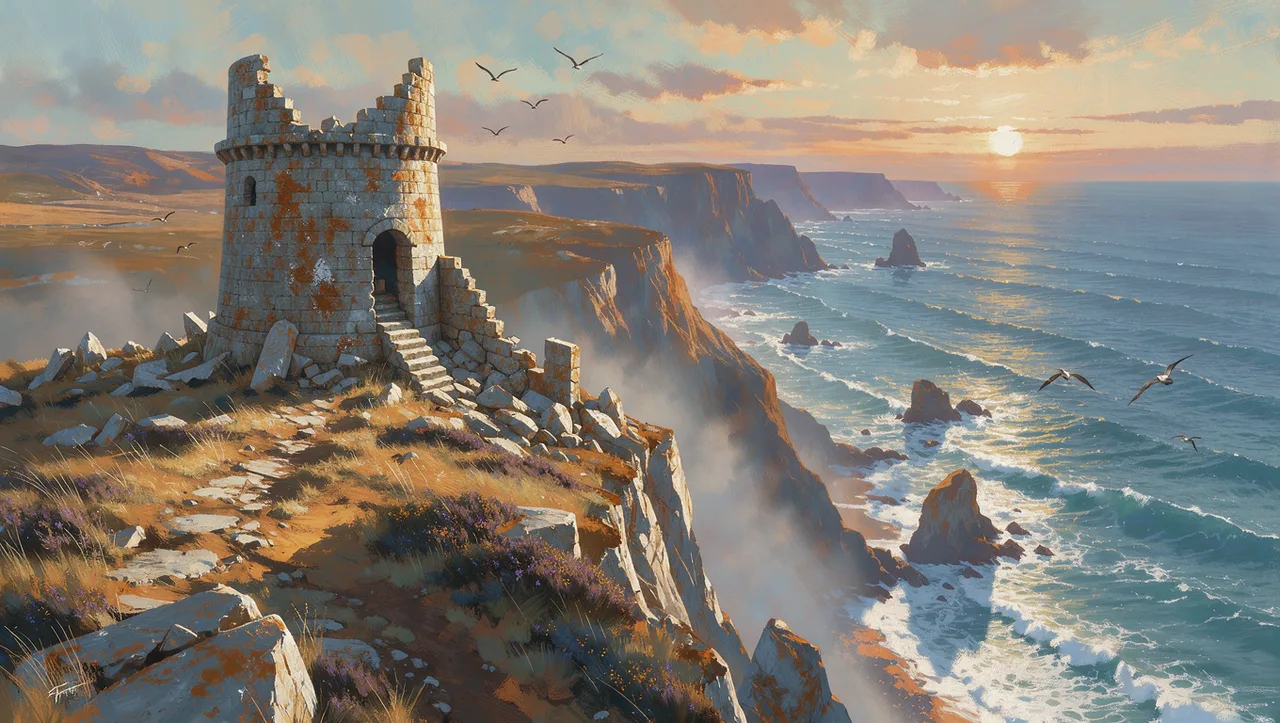 New
Black Forest Labs · Image
FLUX 3
Photoreal and painterly images with precise prompt control.
4.8 credits / imageStudio and agents New
Black Forest Labs · Image
FLUX 3 Klein
The small, fast FLUX 3 for drafts under a cent.
0.9 credits / imageStudio and agents